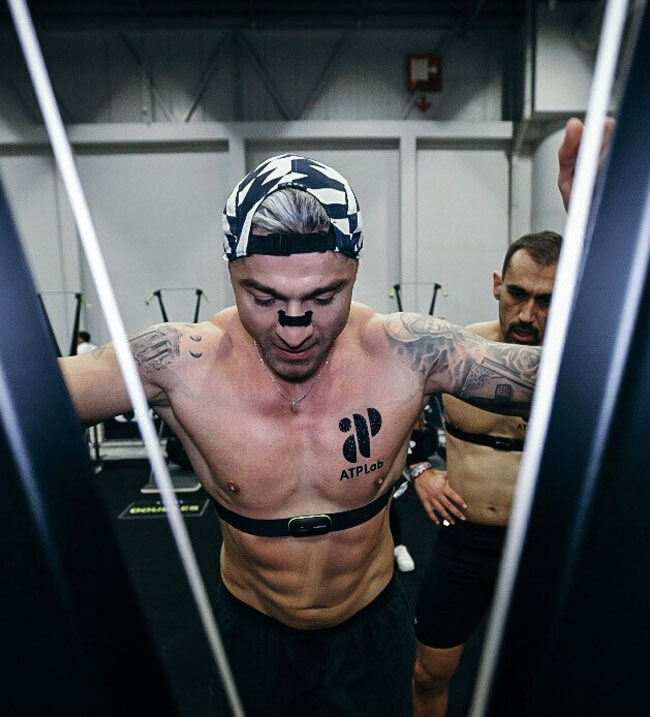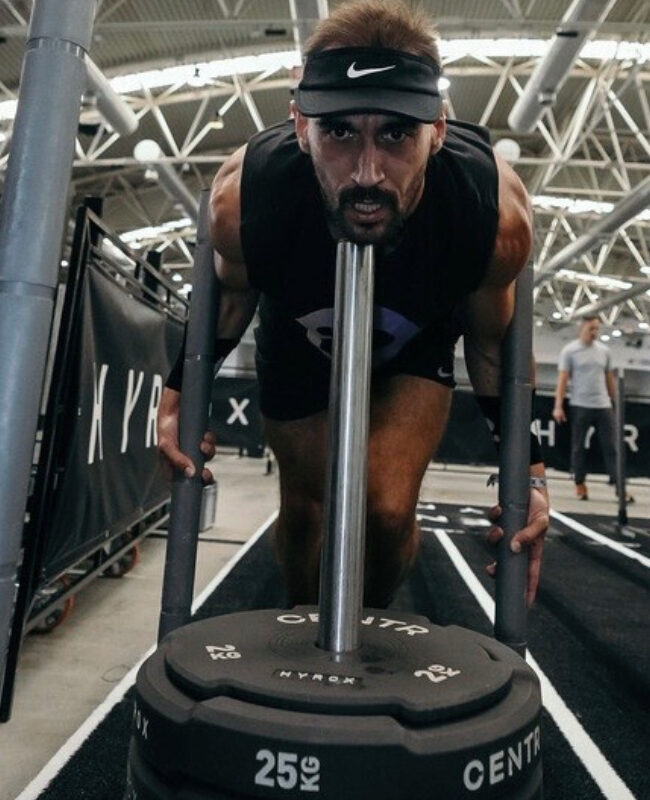

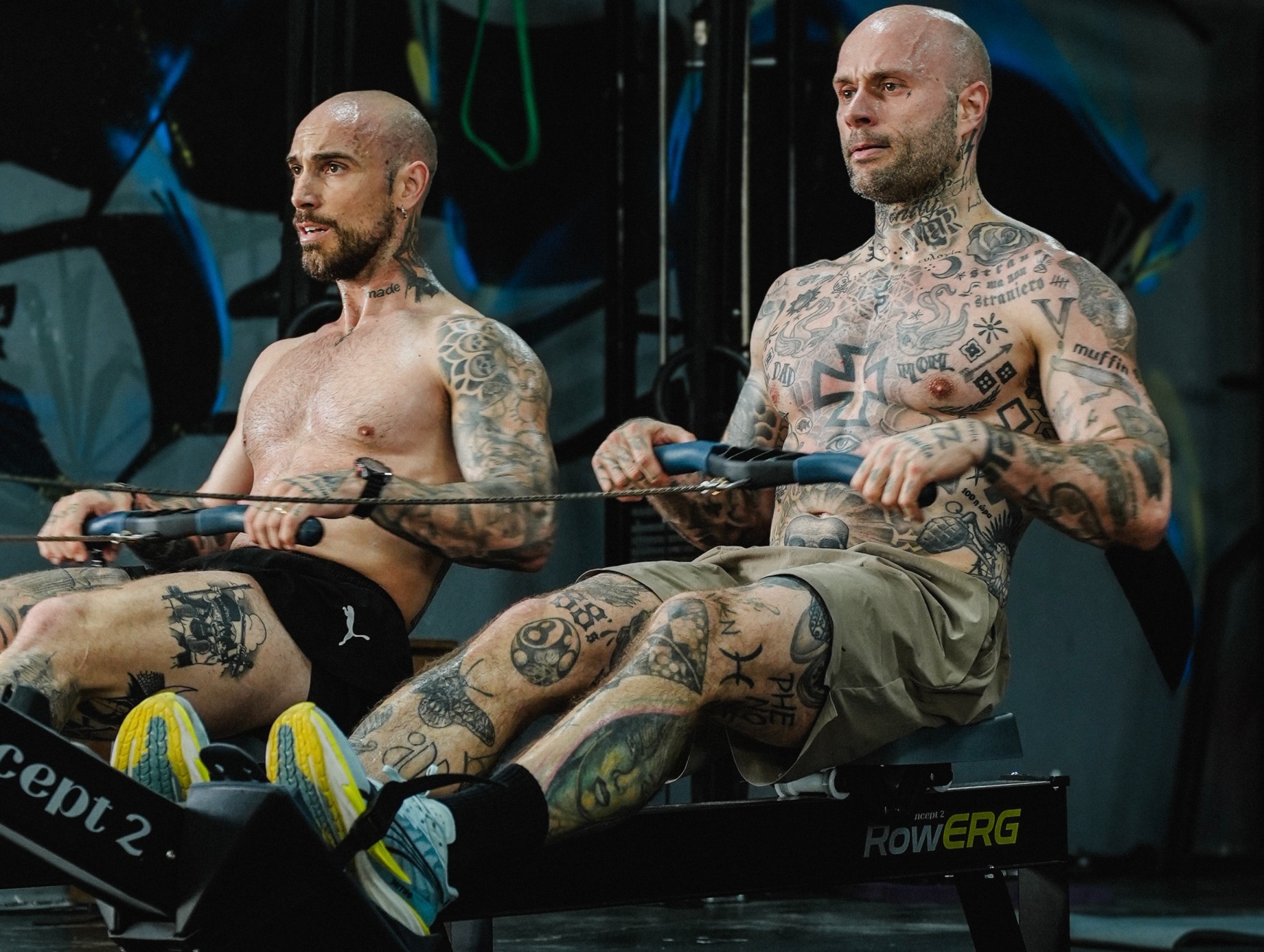
In HYROX, CrossFit, and ATHX, hydration is not simply a health issue. It is a performance issue.
Hydration directly influences pacing, neuromuscular function, thermoregulation, cognitive performance, and recovery. In sports that combine high-intensity efforts, strength, endurance, running, ergs, sleds, carries, wall balls, barbell work, and repeated efforts, dehydration can become one of the most overlooked reasons an athlete underperforms despite being physically fit.
Why Does Hydration Matter So Much?
When an athlete begins training or competition already dehydrated, or loses a significant percentage of body mass through sweat, the body struggles to maintain the same output.
The consequences include:
- Reduced thermoregulatory capacity
- Increased cardiovascular strain
- Higher perceived exertion (RPE)
- Greater physiological cost for the same workload
The American College of Sports Medicine (ACSM) recommends avoiding excessive dehydration, with a practical target of keeping body mass loss below approximately 2% during exercise.
Dehydration as Self-Sabotage
Many athletes focus on carb loading, gels, caffeine, pacing, and tapering while neglecting the most basic performance variable:
Starting training or competition in a dehydrated state.
This is essentially self-sabotage.
In practice, dehydrated athletes often experience:
- Higher heart rates at the same pace
- Increased perceived effort
- Faster local muscular fatigue
- Poorer pacing decisions
- More technical mistakes
- Reduced heat tolerance
- Slower recovery following training or competition
Hydration and Recovery
Recovery is not only about protein and carbohydrates.
Restoring fluid balance is essential for reducing physiological stress, restoring plasma volume, and minimizing post-exercise fatigue.
ACSM recommends replacing approximately 1.25–1.5 liters of fluid for every kilogram of body mass lost during exercise, especially when rapid recovery is required or when a second session or competition follows.
Practical Guidelines
1. Daily Baseline
- Fluids: 35–45 ml/kg bodyweight/day
- Additional training intake: +500–1000 ml per hour of training
- Electrolytes: 1 tablet per 500–750 ml of water during days with:
- Heavy sweating
- High temperatures
- Double sessions
- Long mixed training sessions
2. Pre-Training / Pre-Race Hydration
- 4 hours before: 5–7 ml/kg
- 2 hours before: 3–5 ml/kg
- 30–45 minutes before: 200–300 ml
- 10–15 minutes before: 100–200 ml
3. During Training
- Fluids: 300–600 ml/hour
- Electrolytes: 300–500 mg sodium/hour when heat and sweat losses are significant
4. Post-Training
- Immediately after training: 500–750 ml fluids + electrolytes (500–1000 mg sodium)
- For every 1 kg of body mass lost: 1.25–1.5 L fluids
- Electrolytes: 500–1000 mg sodium per liter of fluid consumed
Key Takeaway
Hydration is not a recovery tool. It is not a race-day tool.
It is a daily performance habit.
Before looking for marginal gains through supplements, advanced pacing strategies, or race nutrition, make sure you are not losing performance simply because you are underhydrated.