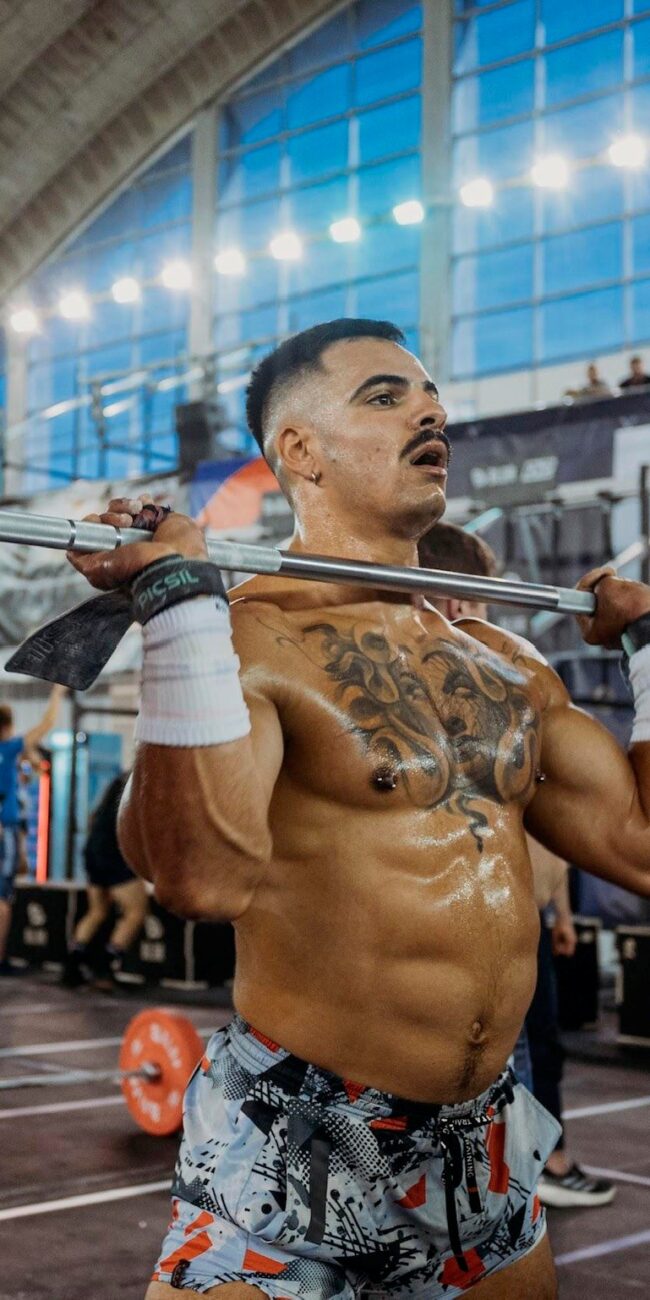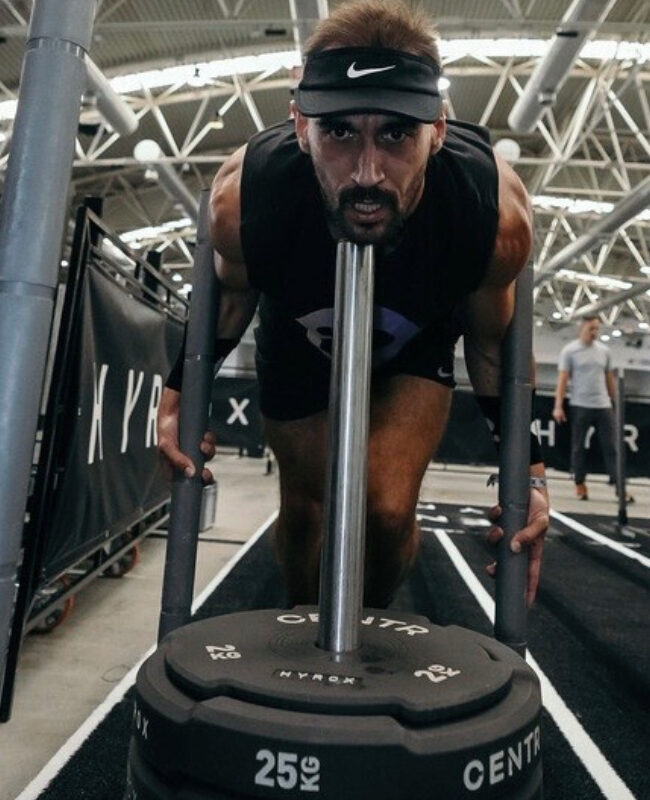


How to Maintain High Performance in Your Second Session.
- Adequate Daily Energy Intake
If your caloric intake does not match your total energy expenditure:A) Recovery slows down
B) Performance declines
C) Training quality decreases
Fueling starts with total daily energy availability, not with your pre-workout snack.
- Carbohydrates
Whether competing in CrossFit or HYROX, low glycogen availability reduces your ability to perform repeated high-intensity efforts.Maintain daily carbohydrate intake at 5–8 g/kg bodyweight
- Protein
Protein supports tissue repair and recovery from demanding training.However, excessive protein intake between sessions can displace carbohydrates.
Maintain: 1.4–2.2 g/kg bodyweight per day
Distribute evenly: 0.3–0.5 g/kg per meal
- Fats
Fats support hormonal function, energy balance and satiety, but slow gastric emptying.Keep fats low 1–3 hours pre-session and between sessions.
Place most fats in meals away from training or on low-volume days.
- Timing Strategy for Double Sessions
A) Post 1st Session 1 (0–60 minutes)
– Carbs: 1.0–1.2 g/kg
– Protein: 0.3 g/kg (20–40g practical range)Examples:
- Chocolate milk + banana
- Whey + bagel/cereal + honey
- Rice pudding/yogurt + fruit + honey
B) 3 Hours Pre 2nd Session
– Carbs: 1.0–2.0 g/kg
– Protein: 0.3 g/kg
– Fats/fiber: Low–moderateExamples:
- Rice/pasta + lean protein
- Potato + eggs/chicken
C) 1 Hour Pre 2nd Session
– Carbs: 0.5–0.8 g/kg
– Protein: Optional
– Fats/fiber: MinimalExamples:
- White toast + jam/honey
- Rice cakes + honey
D) 30 Minutes Pre 2nd Session
– Carbs: 0.3–0.5 g/kg (easily digestible)Examples:
- Banana
- Gel
- 300–500 ml sports drink
- Fluids & Electrolytes
Α) Before: 5–10 mL/kg fluids 2–4h prior
Β) During: 0.4–0.8 L/hour (adjust for sweat rate)
C) Electrolytes:
Use sodium when sessions exceed 60 minutes, heat is high, or sweat rate is elevated.D) After: Rehydrate based on losses (ideally via pre/post weighing).
- Evidence-Based Ergogenic Aids
A) Caffeine: 3–6 mg/kg (~60 min prior)
B) Creatine: 3–5 g daily
C) Beta-Alanine: 4–6 g daily (split doses)
D) Sodium bicarbonate: 0.2–0.3 g/kg
Sources:
1. Louise Burke – Practical Sports Nutrition / Clinical Sports Nutrition (McGraw-Hill)
2. NSCA – Essentials of Strength Training & Conditioning (latest ed.)
3. Jeukendrup & Gleeson – Sport Nutrition (3rd ed.)
4. ACSM Position Stand (2007): Exercise and Fluid Replacement
5. Maughan – IOC Handbook of Sports Medicine: Nutrition in Sport
6. ISSN Position Stands: Caffeine (2021), Creatine (2017), Beta-alanine (2015), Sodium bicarbonate (2021), Protein (2017).